

 5 Min Read
Your smile is among the first things someone notices. Clean, healthy teeth improve confidence, and they also mean better general health. Whitening your teeth is not just an aesthetic issue. This can indicate plaque accumulation, insufficient oral hygiene or early gum disease. This is not something you should do at the last minute.
Regular professional teeth cleaning is about so much more than just having whiter teeth. It removes tartar, prevents gum disease and supports keeping teeth for life. Despite the best teeth brushing every day some very easy areas are overlooked when it comes to brushing your mouth. The plaque then hardens into a tartar deposit, and only a dentist can securely get rid of it.
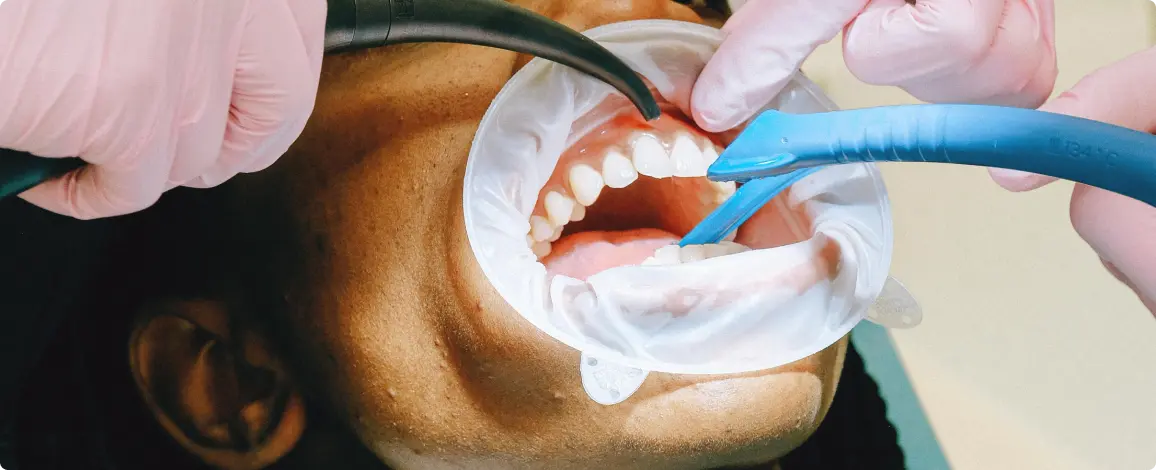
The teeth cleaning is a professional dental procedure that removes plaque, tartar and surface stains. It is a treatment that stops decay before it starts. Your first line of defence is daily brushing, but professional cleaning goes where your toothbrush simply cannot.
A dentist or dental hygienist cleans every surface of your teeth using special tools.
A Professional Cleaning Typically Includes:A Professional Cleaning Typically Includes:
You will learn that regular professional dental cleaning catches dental issues as they arise, rather than waiting until the problem is expensive to fix.
Teeth will slowly lose their natural whiteness because of habits that we have in our daily lives, as well as problems with oral hygiene. The most common causes are the following:
The real issue is that tartar builds up and stays around for a long period of time. Having a regular professional cleaning will get rid of those stains and your smile will look whiter, without any special whitening products.
Until most people have pain, dentist visits are optional. However, your oral health impacts all of you much more than most realise.
Research has linked poor oral hygiene to diseases of the heart as well as complications related to diabetes. Plaque and bacteria build-up around the gums lead to a chronic inflammatory response which can permit bacteria into the bloodstream, spreading to other tissues.
Untreated teeth are also more prone to developing gum disease, infection and chronic halitosis. You pay for a 45-minute professional clean which is a small price to pay for the health of your well-being.
A question dentists get all the time is: Are teeth cleaning and teeth whitening the same? They are not.
Cleaning is a health-focused procedure. They remove the bad bacteria and hard tartar buildup that could otherwise be a threat to your developing gum disease. In the process, it also lifts surface stains, causing teeth to brighten.
Teeth whitening, however, is a cosmetic procedure. It employs peroxide-based whitening agents to change the actual colour of your tooth enamel.
Your teeth typically signal way in advance before the pain starts. You need to make an appointment if you see these:
These warning signs are not to be ignored or else they might lead to serious dental diseases and the need for expert dental care later on. Early action is always better.
The professional teeth cleaning process itself is usually painless and quite simple. Gone are the days of having to wait in a long line due to an inefficient check-up process. Modern-day dental clinics employ modern-day technology and make the experience as smooth as possible.
While professional cleaning is essential, it is your daily habits that matter more. While you may visit the dentist a few times each year, most of the responsibility falls to you for home care.
Most professional cleaning is set up to be a smooth experience for the patient. There will be pressure or a bit of vibration. For patients with sensitive teeth, a dentist may apply some numbing gel to help during the procedure.
Normally, each appointment takes between 30 and 60 minutes. If you have not had a cleaning in many years, heavy buildup will take longer to remove.
Costs may differ according to location and specific oral health requirements. However, preventive cleaning costs far less than performing specialised treatments later such as root canals or implant surgery.
Conclusion
Having stained teeth may not seem like a grave concern to begin with, but it can lead to more serious dental problems that worsen over time. Routine teeth cleansing removes plaque, prevents gum disease, improves your bad breath and helps you to preserve beneficial oral hygiene. They shield your smile and prevent you from needing expensive dental treatments later.
If you see any yellow patches, red or sore gums or visible tartar build-up, the time has come to book a dental cleansing appointment as soon as possible. Good dental care today means a healthy smile tomorrow.