

 5 Min Read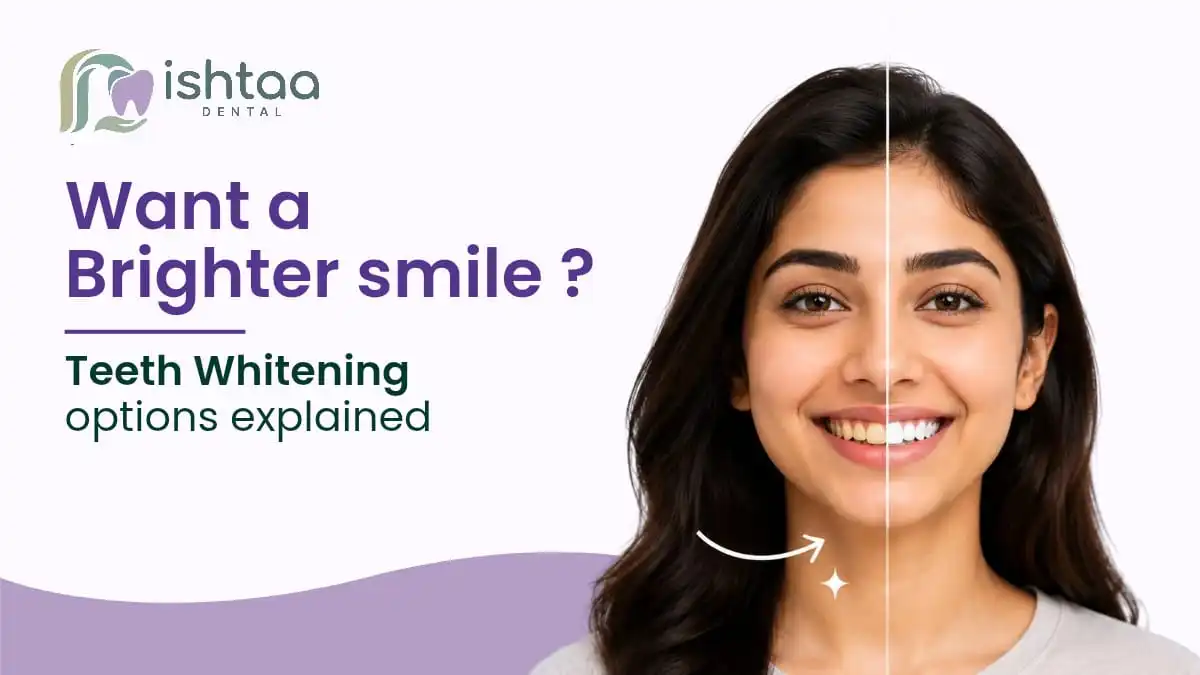
A bright smile is capable of making you feel more confident within a few seconds. A brighter smile can help you feel more confident in day-to-day situations, as your smile is often one of the first things people notice.
Teeth become discoloured naturally over time due to our everyday habit of consuming beverages like tea, coffee, or soft drinks. In India, the cumulative effects of masala chai and heavy spice foods stain enamel over weeks. These pigments settle into the tiny pores of the teeth, making them appear yellow or dull.
The positive side is that there are many modern-day solutions to change tooth colour effectively and safely, starting from in-practice dental procedures to at-home whitening products.
Teeth whitening is a cosmetic dental treatment that lightens (or whitens) the colour of your teeth, removing stains and discolouration. It is a non-invasive procedure that improves your appearance by restoring a brighter and more youthful smile.
Most whitening agents use bleaching agents such as hydrogen peroxide or carbamide peroxide. These ingredients penetrate the enamel and break down stains that regular brushing cannot remove.
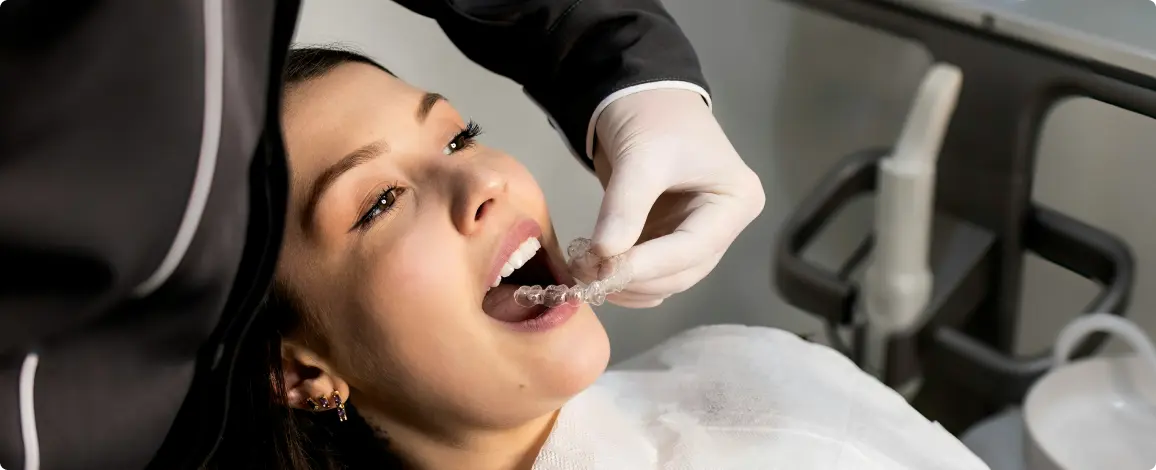
In-clinic professional treatments are generally far more powerful than shop products.Dentists use stronger whitening agents while ensuring the gums and surrounding tissues remain protected throughout the procedure.
Many assume it's all due to brushing habits in the past, but in actuality, there are quite a few common causes of tooth discolouration.
Knowing what these causes are will be the first step towards that brighter smile. A professional assessment can assess if your staining is extrinsic or intrinsic.
Teeth whitening is often confused with professional teeth cleaning. They are very different procedures.
Dentists recommend cleaning before whitening. Removing the damaging parts of your teeth and maintaining a clean surface allows for more even & effective plastic.
Professional (in-clinic) treatments, when done correctly, are typically regarded as very safe. But randomly using store-bought whitening products without a professional can at times burn teeth, causing irreversible sensitivity leading to dentin damage.
Before starting treatment make sure to always consult a dental professional if you have any of the following conditions:
Teeth whitening results do not last forever, but they can be maintained for a long time with good care. For the majority, it was a whiter smile that would last for many months, or perhaps even several years.
The duration of your results is primarily related to your lifestyle and diet. Your teeth will gradually absorb new pigments if you keep consuming staining agents regularly.
Whitening is most effective on natural teeth that are yellow or brown in colour due to environmental factors. Anyone who has had crowns, veneers, or fillings needs to be aware that these will not whiten like natural teeth.
Most treatments are not painful. A degree of transient cold sensitivity may also occur in some patients, resuming within a few days.
Typical professional in-clinic treatments require anywhere from 45 mins - 90 mins. Home test kits take longer because you have to use them for a number of days.
In many cases, yes. In these types of professional in-clinic treatments, you will achieve a whiter tooth colour that they could not get rid of common stains for years.
No, teeth can get discoloured again over time, especially if you smoke or regularly drink tea and coffee.
Conclusion
Whiter teeth help increase confidence and boost a person in their day-to-day life. The answer is positive with a combination of today's teeth whitening approaches preparing your tooth colour has actually never been more secure, far easier and suspiciously effective compared to ever. The correct option depends on your goals whether it is a professional in-clinic treatment, custom take-home trays or a whitening toothpaste. A visit to your dentist will also help you select the right and best treatment for your one-of-a-kind smile.